Online Counselling in India: How It Actually Works
Online counselling stopped being a compromise some years ago. For most common difficulties the evidence now shows outcomes broadly comparable to meeting in person, and for a country the size of India it solves a problem that in-person wo...

“Online counselling stopped being a compromise some years ago. For most common difficulties the evidence now shows outcomes broadly comparable to meeting in person, and for a country the size of India it solves a problem that in-person work cannot: qualified practitioners are heavily concentrated in a handful of cities, and most people do not live in them.”
Treatment & Support

What a Session Actually Involves
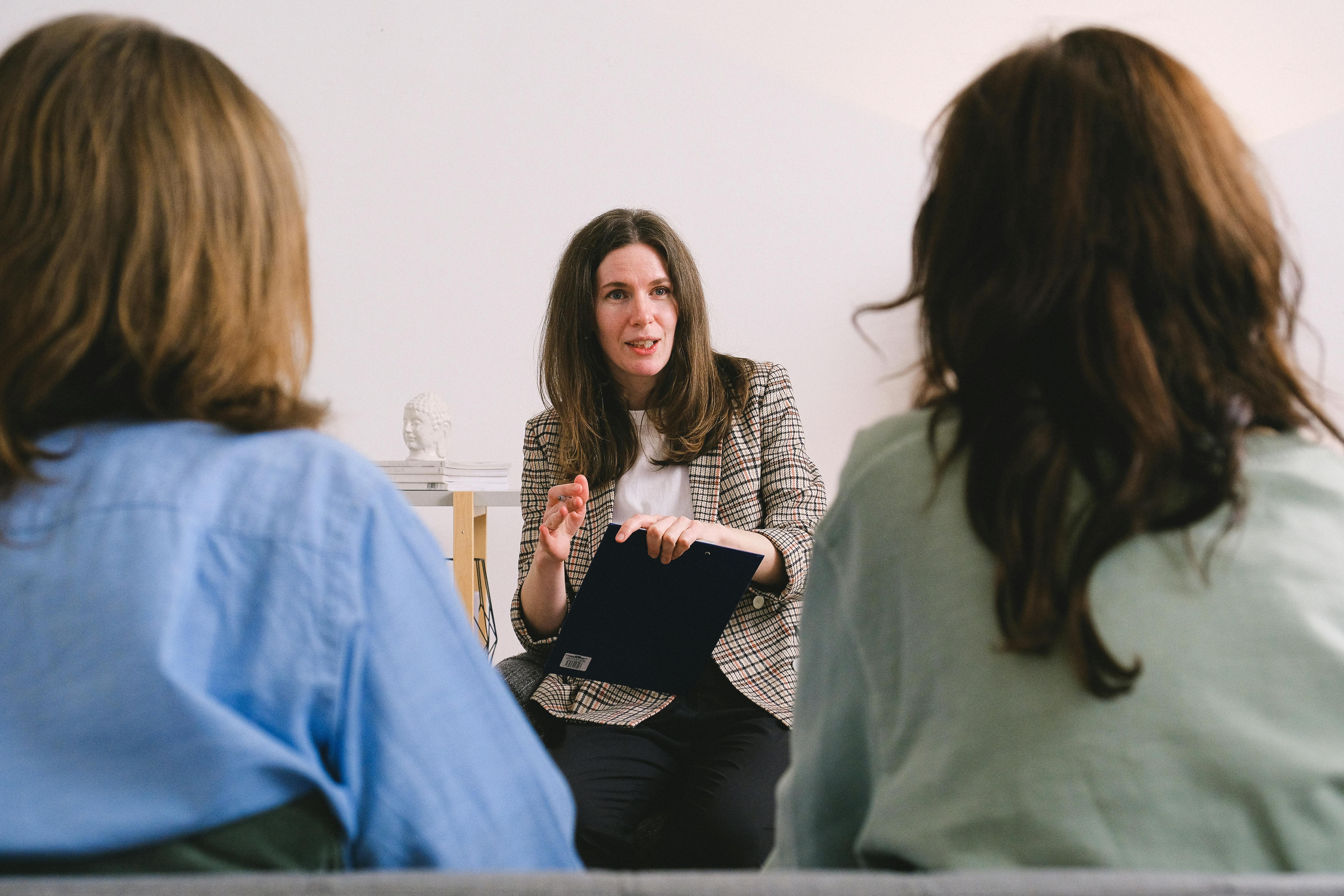
A video call, usually fifty to sixty minutes, at a scheduled time. There is no meaningful difference in the work itself — the same conversation, the same methods. The first session tends to cover what brought you, some relevant history, and what you want to be different; subsequent sessions build from there.
Frequency is typically weekly at the start, spacing out as things improve. Some approaches involve between-session tasks. Clinical hypnotherapy and guided relaxation work perfectly well over video, provided you are somewhere you will not be interrupted, since the point is to be undisturbed for a stretch of time.

Does It Work as Well?
For depression, anxiety, stress, relationship difficulty and most of what people bring to counselling, the research does not show a meaningful difference in outcome between video and in-person work. What predicts outcome is the quality of the working relationship and whether the approach fits the problem, not the medium.
There are limits worth stating honestly. Situations involving acute risk, severe eating disorders, active psychosis or substance withdrawal need in-person care and often a medical team. Some people simply find video harder and do better in a room, which is a legitimate preference rather than a failure.

The Real Obstacle Is Privacy, Not Technology
This is the practical issue in most Indian homes and it deserves more attention than the technology does. Joint families, shared bedrooms, thin walls, domestic staff, and the near-certainty of being asked who you were talking to.
Approaches that people actually use:
It is also reasonable to tell your family nothing. You are not obliged to disclose that you are in therapy, and the practitioner is bound by confidentiality regardless of who is asking.
- «Headphones, always. They make the other half of the conversation inaudible, which is most of the exposure.
- «A parked car. Unglamorous and genuinely the most common solution in Indian cities.
- «Session times that map to when the house is empty — mid-morning on a weekday is usually the quietest.
- «An empty meeting room at work, or a booked co-working booth.
- «Text-based check-ins between sessions where speaking is difficult.
- «Agreeing a signal with your practitioner for when someone enters the room, so you can switch topic without explanation.
Choosing a Practitioner
India has no single protected register for counsellors, which means the title is not restricted and the burden of checking falls on you. Reasonable things to establish before booking:
A practitioner who answers these directly is demonstrating something useful. Vagueness about qualifications is worth taking seriously as a signal.
- «Their actual qualification. A master's degree in psychology or counselling is the usual baseline for counselling psychology.
- «Whether they are RCI-registered, if you are seeking clinical psychology specifically — that is a statutory register and it is checkable.
- «For modalities such as hypnotherapy, Reiki or EFT, which body certified them and at what level.
- «Their experience with your particular difficulty.
- «How confidentiality works, and the specific circumstances in which they would break it.
- «What happens if you are in crisis between sessions — including what they do not cover.

Practical Setup
- «A wired or strong connection matters more than camera quality. Audio dropping is far more disruptive than video dropping.
- «Agree in advance what happens if the call fails — usually a phone call back.
- «Sit somewhere you can be at eye level rather than looking down at a phone on a table.
- «Give yourself ten minutes afterwards rather than returning immediately to work. Sessions can raise material that needs a moment to settle.
- «Keep tissues and water nearby. This sounds trivial and it is a common small friction.

What This Opens Up
The main practical gain is choice. Someone in a smaller city is no longer limited to whoever practises locally, which matters especially for specific needs — a particular therapeutic approach, a practitioner who speaks your language, or someone who understands a specific cultural context. It also matters for Indians living abroad who want a therapist who does not need the family dynamics explained from scratch.
25+
Years
5000+
Lives Touched
30+
Modalities
15+
Countries
Online Counselling Across Delhi NCR
Questions & Answers
Everything you need to know before booking your first session.
Is online counselling confidential?+
The same professional confidentiality applies as in person. Ask your practitioner which platform they use and whether sessions are recorded — the answer should be that they are not, unless you have specifically agreed otherwise.
Can I do hypnotherapy online?+
Yes. Clinical hypnotherapy translates well to video, provided you are somewhere private and undisturbed for the session. You remain in control throughout, and the session ends with you fully alert.
What if my family finds out?+
Headphones and careful timing cover most situations. It is also worth knowing that you are under no obligation to explain. Many people find that if it does come out, the reaction is less severe than they feared — though that is not universal, and only you can judge your own household.
How many sessions will I need?+
It varies with what you bring. Specific, focused difficulties often respond in six to twelve sessions. Longstanding patterns take longer. A practitioner should be able to give you a rough sense after two or three sessions and revise it openly.
Is online counselling cheaper than in person?+
Not necessarily — the practitioner's time is the same. What it usually saves is travel and the time around it, which for anyone commuting across a large Indian city is a substantial part of the real cost of attending.
Related Reading