
Holistic Healing
In-Law Conflict Counselling in South Delhi
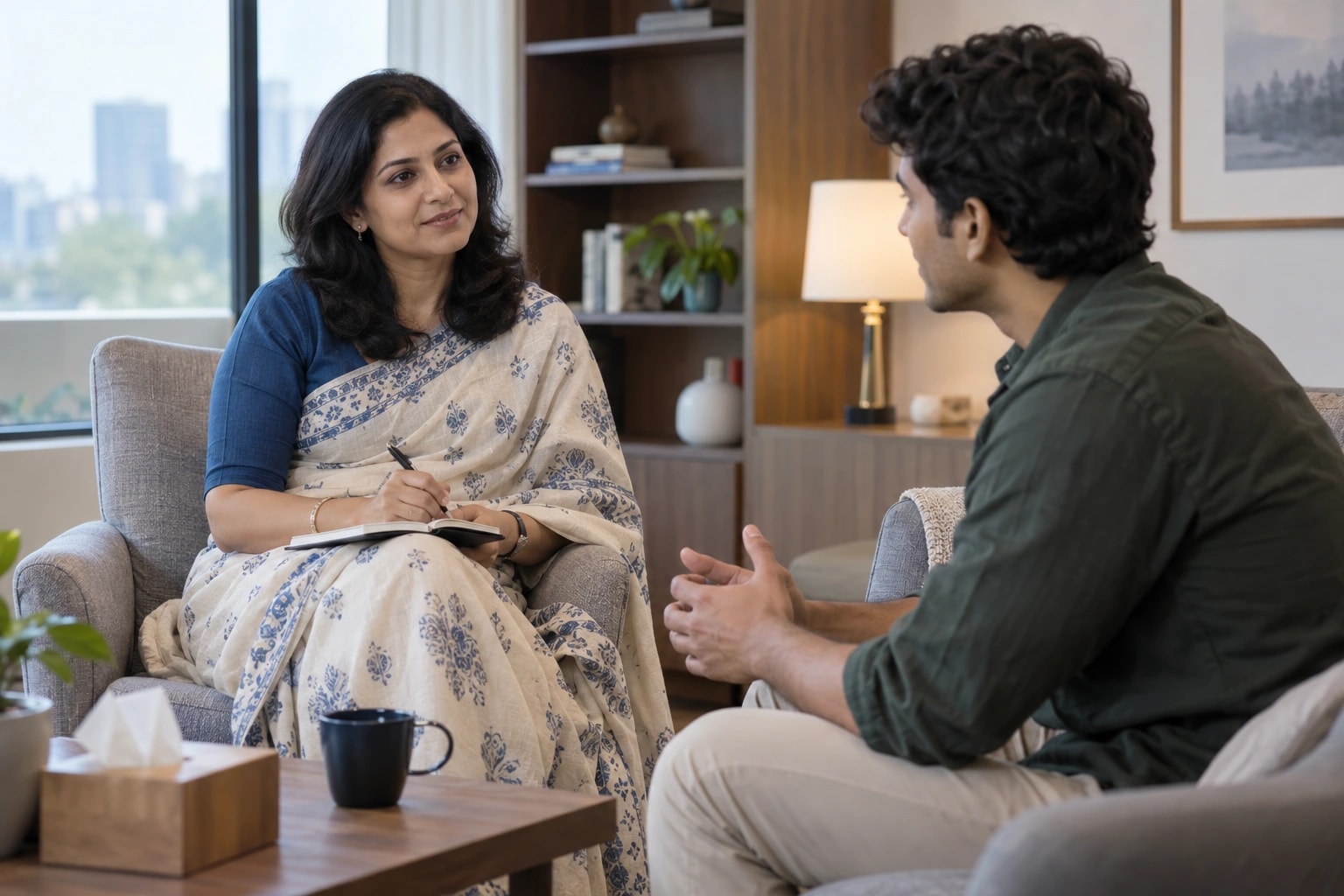
Explore the approach, what a session involves, and how to book a consultation with Dr. (Hon.) Taanya Nagi.
Explore issues troubling you right now. You are supported with compassion by a caring professional who is dedicated to healing. Giving yourself permission to receive this kind of support can be the first step forward. Know that your concerns will be treated with respect, confidentiality care and non-judgement .
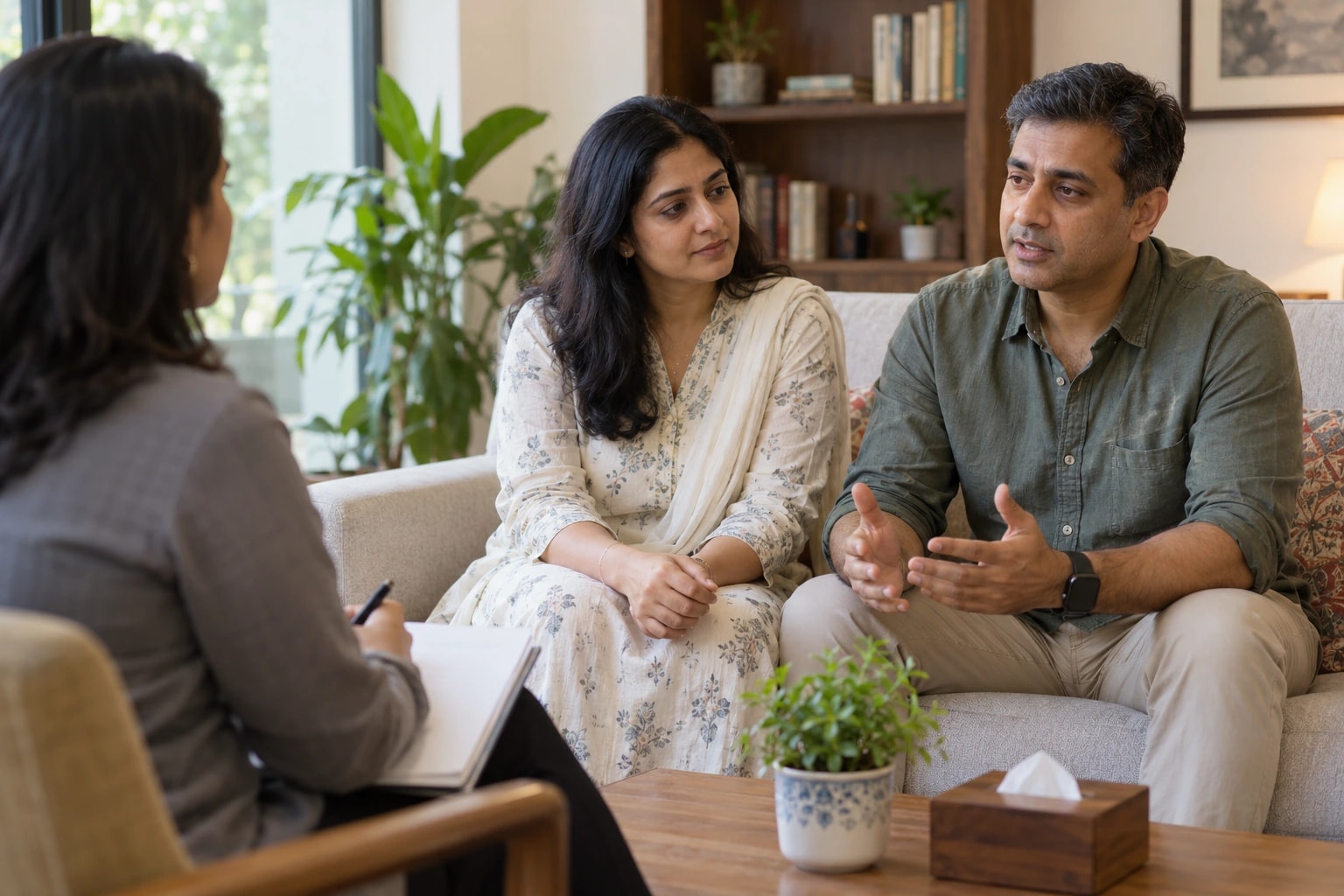
« COUNSELLING (Individual, Couple & Family Counselling)
The Goal of counseling is to enable the individual to make critical decisions regarding alternative courses of action without outside influence. Counseling will help individuals obtain information, and to clarify emotional concerns that may interfere with or be related to the decisions involved.
Some benefits of Counseling:
- Clarifying a problem with a non judgemental caring professional.
- Coping with depression.
- Developing increased confidence & Self Esteem.
- Exploring opportunities for change.
- Improving personal skills.
- Learning to make better decisions.
- Managing Stress & anxiety.
- Managing Anger Issues.
- Managing & coping with Bereavement & Loss.
- Managing Substance Abuse.
- Managing Insomnia.
- Managing Relationship Issues.
- Managing ” Inner Child” Issues.
- Managing Fears & Phobias.
Holistic Living counsellors are equipped with not only the traditional counselling skills, but also the more contemporary alternative therapies ( eg. Reiki, meditations, etc ) to assist and support a person in their healing journey. This kind of counselling is experiential in nature. It takes the client on a journey of self discovery . It enables us to stay in our personal power rather than being victims to life’ s experiences . Holistic Living Counselling promotes personal growth and self empowerment.
This process is for everyone. You need not be in a crisis to want change. You may wish to pursue your potential for a more authentic life.

TAANYA NAGI
Taanya has been practicing Counselling & Healing work since last 25 years globally. She was living in Australia for 13 years previously and currently has been residing In India since past 8 years.She has a Masters degree in Counselling Psychology . She also has a Diploma in Holistic Healing & Counselling from the Holistic Living Training Institute ( HLTI) , Melbourne.This qualifies her as a Certified member of the Australian Holistic Healers Association .
Besides in- person sessions, Ms Taanya Nagi takes online sessions across the globe especially Australia & New Zealand, Dubai, U.K, Canada, U.S.A, Singapore, Malaysia .