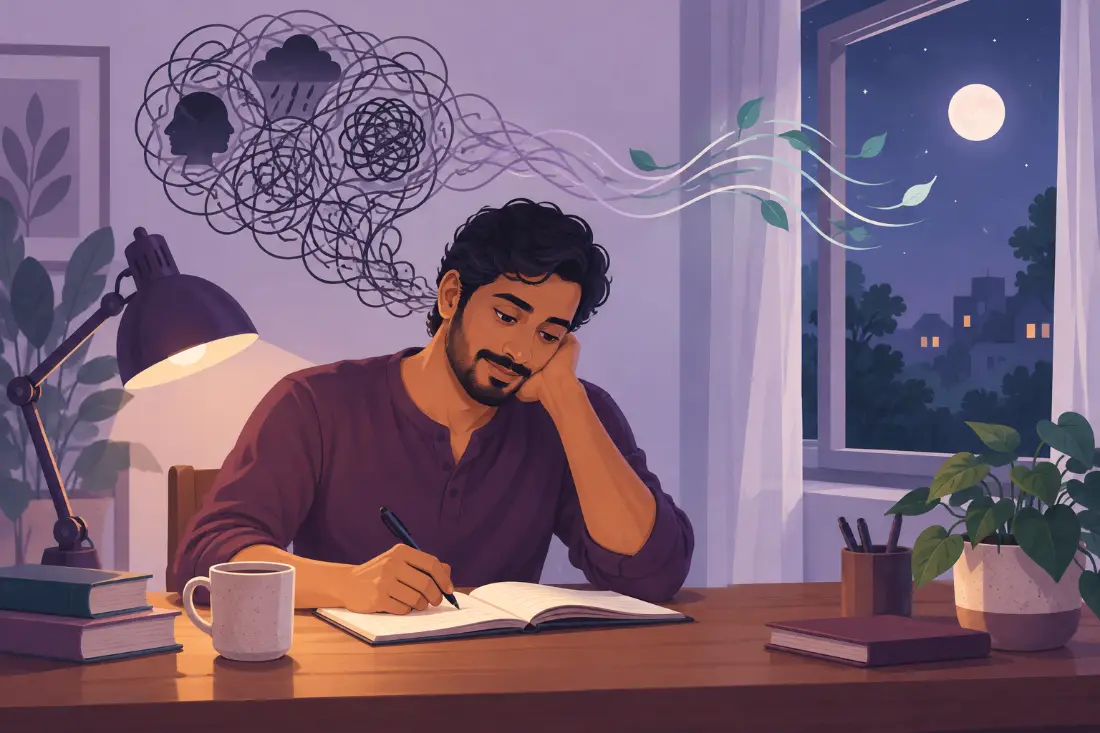
Anxiety & stress
Anxiety Therapist In South Delhi
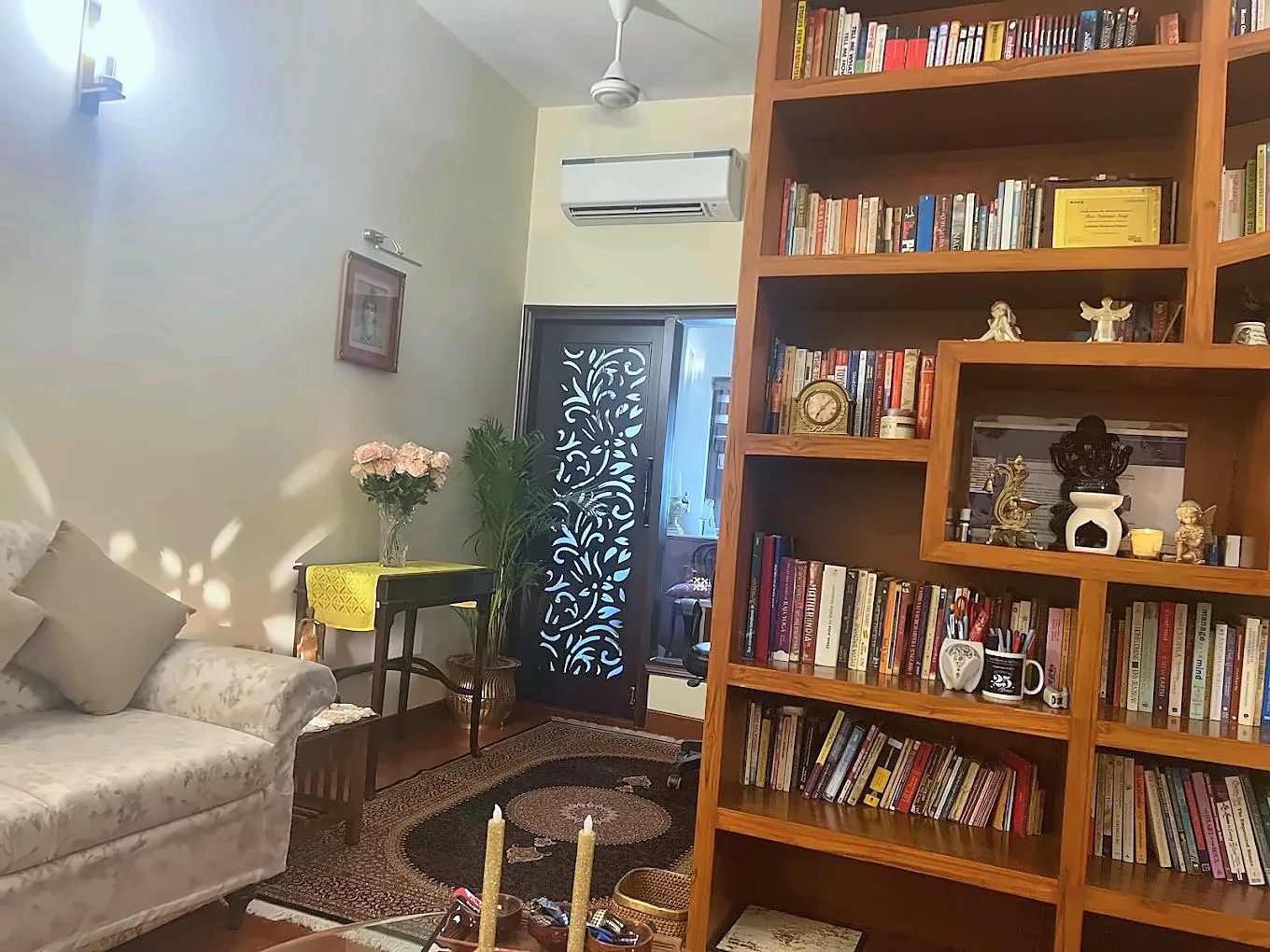
What are Anxiety Disorders? – With 4% of all YLD, anxiety disorders are the most common psychiatric morbidity and the sixth greatest cause of disability globally (years lived with disability). Anxiety Therapist In South Delhi – In comparison to men, ladies experience it more frequently. By 2010, 273 million people worldwide have an anxiety disorder.
Get in touch today to book a session: call or WhatsApp +91 99993 44415.
How does an Anxiety Disorder Person feel?
A person with an anxiety condition could experience anxiety most of the time for no obvious reason. In other instances, the worried feelings would be so unpleasant that the person would quit doing normal things. Anxiety attacks can occasionally be so severe that they terrify and paralyze the person.
Another emotion with many similarities, but also some key differences, is fear. The time frame is the key distinction between fear and anxiety.
Fear is a reaction to a threat that is currently being felt in the present moment. In contrast, anxiety is the feeling of being threatened that may or may not occur in the future. In other words, anxiety is linked to a threat that is predicted in the future, whereas fear is a reaction to an urgent danger in the present. The expectation of fear is reflected in anxiety, which is an adaptive attempt to stop the fear-inspiring event from happening i.e. Anxiety Therapist In South Delhi. In a state of anxiety, people are getting ready for and planning for a future issue or predicament that they predict will result in some sort of harm, if not prevented from happening.
Who Is an Anxiety Disorders Counsellor In South Delhi?
- Meet Taanya Nagi, an anxiety therapist in South Delhi who can help you overcome anxiety disorders.
Causes of Anxiety Disorder
- It is unclear what specifically causes anxiety disorders.
- One may inherit the genes that predispose an individual to experience anxious reactions to external changes or occurrences of a dangerous kind if one can trace their ancestry back to their parents.
- a particular event in life that might have caused certain phobias or fears
- a series of behavior patterns that characterize an anxious personality
Signs and symptoms of Anxiety Disorder
- physiological symptoms or physical manifestations
- Body trembling, agitation, and muscle twitching
- Palpitations, rapid breathing, flushing, excessive sweating, diarrhea, increased urination frequency or hesitancy, dizziness, dry mouth, and dilated pupils
Psychological Anxiety Disorder symptoms of the mind may include
- Fearful facial expressions
- Poor concentration, easy distractibility, easy arousal, or excitability.
- Inability to relax, fearfulness, irritability, the feeling of impending doom, a vague sense of apprehension
- Lack of sleep, startling in sleep
- A feeling that the surroundings are not real
An anxiety counsellor near you in South Delhi
Taanya Nagi is an experienced counselling psychologist who helps people with anxiety and other areas of mental health.
Specific anxiety disorders with their manifestations are as follows:
- Generalized anxiety disorder – The key characteristic is excessive anxiety and worry that occurs frequently for at least six months. These relate to a variety of occasions or pursuits. The person has a hard time keeping the worry under control.
- Panic attack – In the absence of actual danger, it is a discrete period of intense fear or discomfort that is accompanied by symptoms like palpitations, trembling, a feeling of being out of breath, choking, chest pain or discomfort, fear of losing control, and fear of passing away.
- Panic disorder – Denotes the presence of recurrent, unexpected panic attacks.
- Agoraphobia – Being in locations or circumstances from which escape may be challenging (or embarrassing) or in which assistance may not be available in the event of a panic attack or symptoms similar to a panic attack cause anxiety.
- Separation anxiety disorder – It is a condition that affects children that is characterized by anxiety that is excessive for the child’s developmental stage and is linked to parental separation.
- Specific phobias – The essential feature is discernible, circumscribed objects or situations
- Social phobia (social anxiety disorder) – The key component is a pronounced and enduring fear of embarrassing social or performance situations.
- Substance-induced anxiety disorder – It is characterized by pronounced anxiety or panic symptoms that are a direct result of drug abuse, medication use, exposure to a toxin, or drug withdrawal.
- Anxiety disorder due to a medical condition – It includes prominent symptoms of anxiety or panic that are directly caused by a physical health problem.
Diagnosis of Anxiety Disorder
Similar to sadness, diagnosing anxiety disorders can be challenging. This frequently results in either brief relief or none at all. Only when the physical complaints do not improve or have a tendency to return should one look further and seek professional assistance. Complications of Anxiety Disorder
Due to a lack of focus, anxiety disorders limit one’s capacity for efficient and successful work. Additionally, as anxiety disorders frequently coexist with sadness, they may cause or worsen depression. The patient can become a victim of drug or alcohol misuse. The patient and his family may occasionally become fearful of passing away when the anxiety worsens and turns into a panic disorder.
Physical health problems like headaches, gastrointestinal issues, and a poor quality of life could also be present. Headache and difficulty sleeping are frequently present symptoms. Untreated anxiety disorders have also been linked to suicide cases and attempts.
Panic Attack
When there is no immediate danger or obvious reason, a panic attack is a rapid bout of great terror that results in significant physical symptoms. Panic attacks can be extremely terrifying. You might believe you are losing control, experiencing a heart attack, or even going to pass away when panic attacks strike.
Many people only experience one or two panic attacks throughout their lives, and the issue usually goes away when a stressful situation is over.
However, if you’ve experienced frequent, unanticipated panic attacks and have endured protracted periods of continual anxiety about an attack, you may be suffering from a disease known as panic disorder.
Even if panic attacks don’t pose a life-threatening threat, they can nonetheless be terrifying and have a substantial impact on your quality of life. However, treatment is often very successful.
Causes of Panic Attack
- Although the exact cause of panic episodes or panic disorder is unknown, the following factors might be involved:
- Genetics
- Major stress Sensitivity to stress or propensity for unpleasant feelings
Various modifications to how certain brain regions function.
Prevention of Panic Attacks
There’s no sure way to prevent panic attacks or panic disorder. However, these recommendations may help.
- Get treatment for panic attacks as soon as possible to help stop them from getting worse or becoming more frequent.
- Stick with your treatment plan to help prevent relapses or worsening of panic attack symptoms.
- Get regular physical activity, which may play a role in protecting against anxiety.
When to see a doctor
If you experience signs of a panic attack, get medical attention right away. Although extremely distressing, panic attacks are not harmful. However, they can be challenging to control on your own, and they might worsen if left untreated.
If you are unsure of the source of your symptoms or believe they may be related to another significant health issue, such as a heart attack, it is crucial to see your primary care provider for an evaluation.
Frequently Asked Questions
A: Common symptoms of depression include changes in sleep patterns, loss of appetite, weight gain or loss, and suicidal or death thoughts.
A: Yes, depression is treatable. Medicines, exercise, enough sleep, counseling, and the right diet can help in dealing with depression.
A: Doctors do prescribe medicines to treat depression. But, in addition to medicines, it also requires a lifestyle change.
A: Depression is now a widespread issue. Unfortunately, many people are not aware of the symptoms, which prevents early detection.
A: In determining your likelihood of developing depression or anxiety, genetics may indeed be a factor. You must realize, though, that genetics do not determine the cause of medical disorders. Your way of life, decisions, and life experiences are crucial.
A: Taanya Nagi, an anxiety therapist in South Delhi, helps people with their mental health, including depression and anxiety.