Holistic healing takes care of all three aspects of a person: mind, body and spirit. The word comes from the ancient Greek holos, meaning “whole”, and the term holism was introduced in 1926 by Jan Christian Smuts. These aspects are closely connected, and an imbalance in one often leads to imbalance in the others.
Holistic healing sees the person as a whole, in the context of their surroundings, so it considers physical, mental, emotional and spiritual needs together. Taanya Nagi uses both contemporary and traditional methods.
The philosophy
The underlying idea is that a person’s natural capacity for healing, when strengthened, supports wellbeing. The holistic healing practitioner acts as a catalyst, encouraging those innate capacities.
The essential components
- Clearing the emotional blocks that stop you giving and receiving from the heart, for greater emotional freedom to express your true self
- Healing tailored to your needs
- Change felt at a deep emotional level, so that it lasts
- Short- or long-term sessions, at your own pace
- Tools you can use for your own self-healing
What is offered
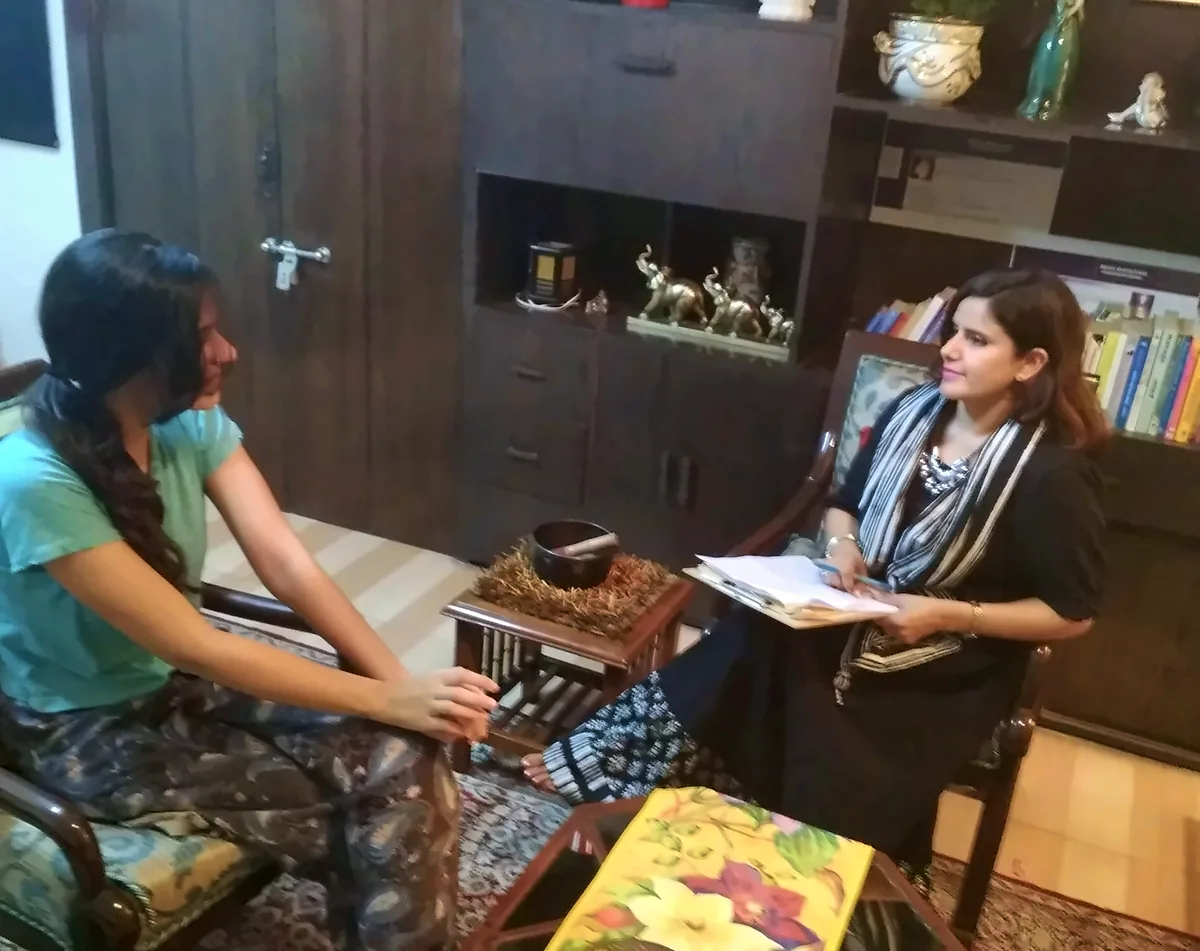
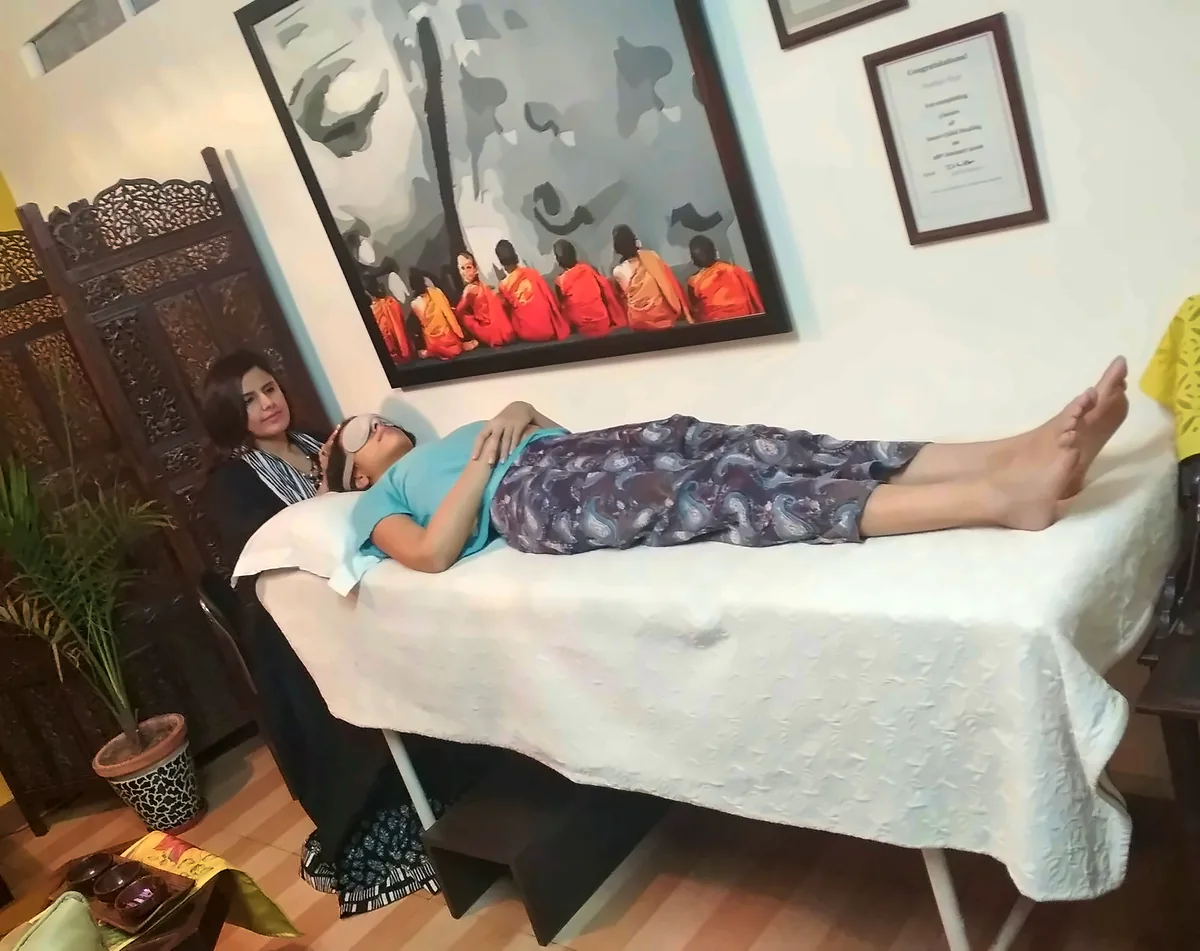
Services range from counselling to Reiki and Pranic Healing, Magnified Healing, meditation, clinical hypnotherapy, past life therapy and divine oracle card readings, from individual sessions to ongoing meditation and personal growth groups, workshops and short courses.
Taanya holds a postgraduate degree in psychology and a diploma in holistic healing and counselling from the Holistic Living Training Institute (HLTI), Melbourne, which makes her eligible as a certified member of the Australian Holistic Healers Association. She is a Reiki Master, a certified Advanced Pranic Healer and a clinical hypnotherapist.
Benefits of a holistic approach
- It looks for the root cause of a difficulty, not just the symptoms
- It considers lifestyle, environment and emotions
- It can help relieve stress and anxiety
- It is personal, with a plan tailored to you
Common questions
The word comes from the Greek holos, meaning “whole”; the term holism was introduced in 1926 by Jan Christian Smuts. A holistic approach recognises that mind, body and spirit are interconnected, and that an imbalance in one often affects the others.
Holistic medicine is an attitude to health care rather than a particular set of techniques. It considers the psychological, family, social, ethical and spiritual dimensions of health and wellbeing, as well as the biological.
Mind, body and spirit — considered intertwined and essential to wellbeing. Another way to see it is that each of us is made up of physical, emotional, mental and spiritual elements.
Holistic therapy is founded on the idea of overall wellbeing, and on each person taking responsibility for their own wellbeing. Healing is a partnership between you and your practitioner.
It looks for the root causes of an imbalance — whether stress, poor sleep or emotional pain — so that you feel completely considered and cared for, rather than seen as a set of symptoms.